

Breast cancer is often thought of as an older woman’s disease. But it can affect women in their 20s and 30s too, and when it does, it brings its own set of challenges.
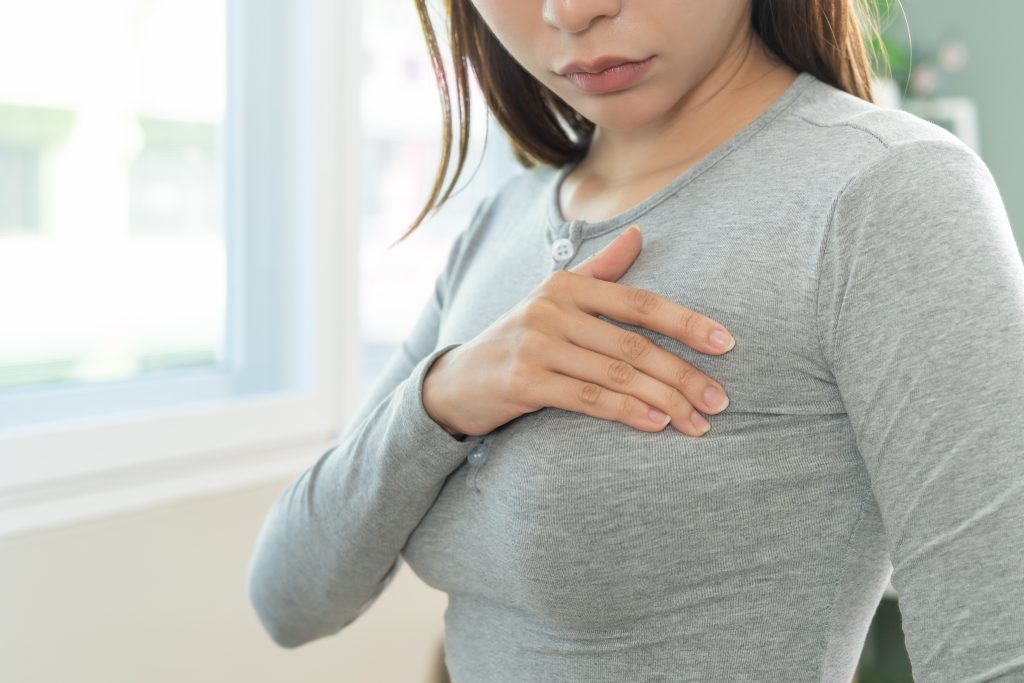
“I Thought I Was Too Young”
You’re in your early 30s. You’re building your career, maybe planning a wedding or thinking about starting a family. Health worries are for later in life, or so you thought.
Then you notice a lump. Your first thought is that it’s probably nothing. You’re young, you’re healthy, you don’t have a family history. Friends tell you it’s probably a cyst. You decide to wait and see.
This is a common story. Many young women, and sometimes their doctors, don’t consider breast cancer because of their age. Most breast lumps in young women are indeed benign. But breast cancer can and does occur in younger women, and recognising this is the first step to catching it early.
How Common Is Breast Cancer in Young Women?
The risk of breast cancer rises with age, and most cases are diagnosed in women over 50. But a smaller proportion of breast cancers occur in women under 40.
In Asia, breast cancer tends to be diagnosed at a younger age on average than in many Western countries, which makes awareness among younger women especially important.
Why It’s Often Found Later
Breast cancer in young women is sometimes diagnosed at a later stage. There are several reasons:
- No routine screening – mammogram screening generally isn’t recommended for women at average risk under 40, so cancers are often found only when symptoms appear
- Dense breast tissue – younger women tend to have denser breasts, which can make lumps harder to feel and harder to see on a mammogram
- Delayed action – young women may assume a lump is harmless and wait before seeing a doctor
- Pregnancy and breastfeeding – changes in the breasts during these times can mask symptoms
In some cases, breast cancers in younger women may also be more aggressive.
Who Is at Higher Risk?
Most young women with breast cancer have no obvious risk factors. But your risk may be higher if you have:
- A strong family history – especially a mother, sister or daughter diagnosed with breast or ovarian cancer at a young age
- Inherited genetic changes – such as mutations in the BRCA1 or BRCA2 genes
- Previous chest radiotherapy – for example, as treatment for lymphoma in childhood or young adulthood
- Certain previous breast conditions – such as atypical hyperplasia found on a biopsy
If any of these apply to you, talk to a breast specialist about whether you should start screening earlier or consider genetic counselling.
Signs to Watch For
The signs of breast cancer are the same at any age. See a doctor if you notice:
- A new lump or thickening in the breast or armpit
- A change in the size or shape of a breast
- Skin changes, such as dimpling, puckering or redness
- A nipple that turns inwards
- Bloody discharge from the nipple
- A rash or crusting on the nipple that doesn’t heal
- Persistent pain in one specific area
Don’t let your age, or anyone else, convince you to ignore a change that doesn’t go away.
How Breast Cancer Is Diagnosed in Young Women
If you have a breast symptom, your doctor will usually:
- Examine you – checking both breasts and the lymph nodes
- Arrange imaging – breast ultrasound is often the first test for women under 40, sometimes along with a mammogram
- Recommend a biopsy – if a lump needs a closer look, a needle biopsy can confirm the diagnosis
Unique Concerns for Young Women
A breast cancer diagnosis is difficult at any age. But younger women often face particular concerns.
Fertility
Some breast cancer treatments, particularly chemotherapy, can affect fertility. Hormone therapy may also need to be taken for several years, which can delay plans for pregnancy.
If you’d like to have children in the future, raise this with your medical team as early as possible, ideally before treatment starts. Options such as egg or embryo freezing may be available, and timing matters.
Pregnancy after breast cancer
Many women go on to have children after breast cancer treatment. Your doctors can advise on when it may be safe to try, based on your type of cancer and treatment.
Early menopause
Some treatments can bring on menopause early, either temporarily or permanently. This can cause symptoms such as hot flushes and vaginal dryness, and may affect bone health. Let your team know about any symptoms, as there are ways to manage them.
Body image and relationships
Surgery, hair loss and other changes can affect how you feel about your body. These feelings are valid. Options such as breast-conserving surgery, breast reconstruction and oncoplastic techniques may help, and counselling or support groups can provide comfort.
Career and finances
Treatment can mean time away from work at a stage when many women are building their careers. Talk to your employer about flexible arrangements, and check your insurance coverage early.
Young children
If you have young children, explaining your diagnosis can feel daunting. Age-appropriate honesty often helps. Your medical team or a counsellor can offer guidance.
Genetic testing
Because breast cancer at a young age is more likely to be linked to inherited genetic changes, genetic counselling and testing may be offered. The results can guide treatment and help family members understand their own risk.
Treatment for Young Women
Treatment is tailored to the type and stage of the cancer, and may include:
- Surgery – breast-conserving surgery or mastectomy, with lymph node assessment
- Chemotherapy – often recommended for younger women, depending on the cancer
- Radiotherapy
- Hormone therapy – for hormone receptor-positive cancers
- Targeted therapy – for HER2-positive cancers
A multidisciplinary team will work with you to create a plan that suits your cancer and your life.
Finding Support
Young women with breast cancer can feel isolated, as most people their age haven’t been through it. Connecting with others can make a real difference:
- Support groups for young women with breast cancer
- Counselling and psychological support
- Online communities
- Friends and family who can help with daily tasks
Trust Your Instincts
You know your body best. If something doesn’t feel right, don’t let your age be a reason to wait. Most breast changes in young women are harmless, but getting checked promptly means that if it is cancer, it’s found as early as possible.
Consult a breast surgeon if you notice a persistent breast change, or have a strong family history of breast cancer, regardless of your age.
This article provides general information about breast cancer in younger women. For advice on your own risk or symptoms, please speak with a doctor.


