

Few people warn you about piles before you get pregnant. Yet haemorrhoids are one of the most common, and least talked about, discomforts of pregnancy and new motherhood. Here’s what you need to know.
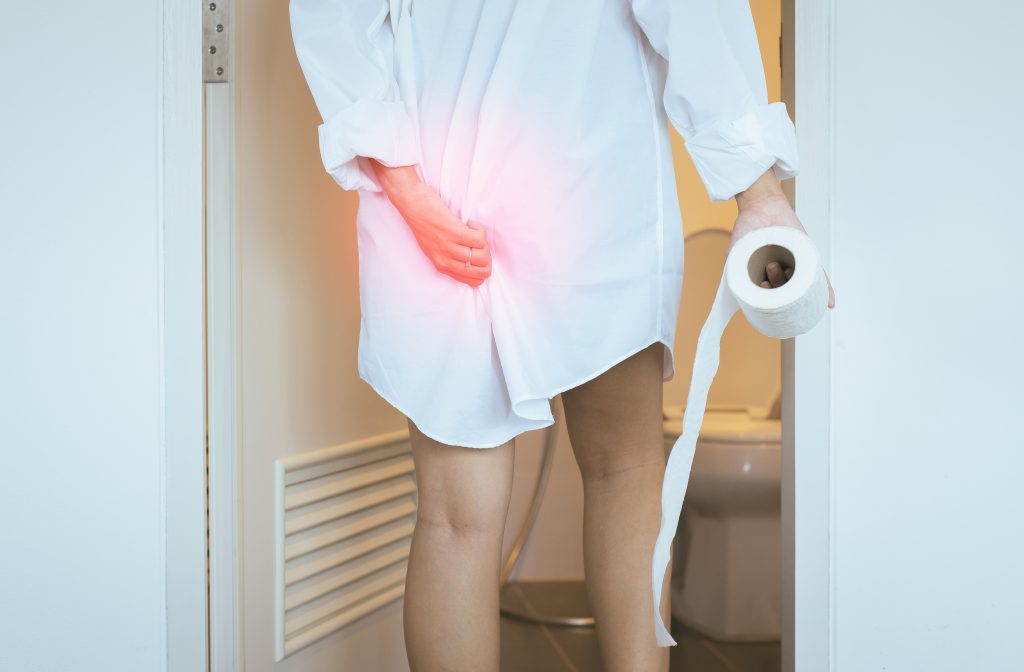
The Pregnancy Symptom Nobody Mentions
You were prepared for the morning sickness, the backache and the swollen ankles. Your antenatal classes covered breathing techniques, birth plans and breastfeeding. But somewhere in your third trimester, or in the weeks after your baby arrived, you noticed something else: itching, discomfort and perhaps a little blood when you went to the toilet.
Piles, also called haemorrhoids, are very common in pregnancy and after childbirth. Yet many women feel too embarrassed to bring them up, even with their doctor.
The good news is that pregnancy-related piles are usually temporary, and there’s plenty you can do to ease them safely.
Why Pregnancy Makes Piles More Likely
Piles are swollen blood vessels in and around the anus. Several changes during pregnancy make them more likely to develop:
- Increased pressure – your growing uterus presses on the veins in your pelvis, slowing blood flow from the lower body
- More blood volume – your body produces more blood during pregnancy, which can cause veins to swell
- Hormonal changes – the hormone progesterone relaxes the walls of blood vessels and slows down the digestive system
- Constipation – slower digestion, iron supplements and reduced activity can all lead to constipation and straining
Piles are most common in the third trimester, when the baby is largest and pressure is greatest.
Piles After Childbirth
Many women develop piles, or find existing piles worsen, after giving birth. This is often due to:
- Pushing during labour – the intense straining of the second stage of labour puts significant pressure on the anal area
- A long labour
- Delivering a larger baby
- Constipation after birth – caused by pain medication, iron supplements, dehydration, reduced activity or fear of opening your bowels if you have stitches
The good news is that for many women, piles improve in the weeks after birth as the body recovers.
Symptoms to Look Out For
- Itching or irritation around the anus
- Discomfort or pain – especially when sitting or opening your bowels
- Bright red blood – on the toilet paper or in the toilet bowl
- A lump or swelling – near the anus
- A feeling of fullness – or that you haven’t fully emptied your bowels
When pain is severe
Sometimes a blood clot forms in an external pile, causing a hard, very painful lump. This is called a thrombosed haemorrhoid. If you have sudden, severe pain, see a doctor.
Safe Ways to Ease Piles During Pregnancy
The focus during pregnancy is on simple, safe measures. Always check with your doctor before using any medications.
Prevent constipation
- Eat more fibre – vegetables, fruits such as papaya and pears, whole grains, oats and legumes
- Drink plenty of water – aim to sip regularly throughout the day
- Stay active – gentle exercise, such as walking or prenatal swimming, can keep bowels moving
- Ask about iron supplements – if they’re making you constipated, your doctor may suggest alternatives
- Consider stool softeners – some are considered safe during pregnancy, but ask your doctor first
Healthy toilet habits
- Go when you feel the urge; don’t hold it in
- Avoid straining
- Don’t sit on the toilet for long periods
- Resting your feet on a small stool may help you empty your bowels more easily
Soothe the area
- Warm sitz baths – sit in a few centimetres of warm water for 10 to 15 minutes, a few times a day
- Cold compresses – a wrapped ice pack can reduce swelling
- Gentle cleansing – use water or soft, unscented wipes instead of rough toilet paper
- Avoid long periods of sitting or standing – change positions regularly
- Sleep on your side – lying on your left side may reduce pressure on pelvic veins
Creams and ointments
Some haemorrhoid creams and suppositories may be safe during pregnancy, but not all are. Ask your doctor or pharmacist before using any product.
Caring for Piles After Childbirth
The first few weeks with a newborn are exhausting, but looking after yourself matters too.
- Keep stools soft – drink plenty of fluids, especially if breastfeeding, and eat fibre-rich foods
- Use stool softeners – your doctor may prescribe these after birth, especially if you have stitches
- Don’t fear the first bowel movement – supporting your perineum with a clean pad and avoiding straining can help
- Use warm sitz baths – they can ease both piles and perineal discomfort
- Rest lying down when possible – to reduce pressure
- Check medications – if you’re breastfeeding, ask your doctor which treatments are safe
When to See a Doctor
Most pregnancy-related piles settle with simple measures. But see a doctor if you notice:
- Heavy or persistent bleeding
- Dark or black stools, or blood mixed with stool
- Severe pain – or a hard, painful lump
- A lump that won’t go back in
- Symptoms that don’t improve – several weeks after giving birth
- Signs of infection – such as fever, increasing redness or discharge
It’s important not to assume all rectal bleeding is due to piles. A doctor can check for other causes, such as anal fissures, which are also common after childbirth.
Treatment Options After Pregnancy
If piles persist after you’ve recovered from childbirth and finished breastfeeding, or if they’re significantly affecting your quality of life, a colorectal surgeon can discuss further treatment. Options may include:
- Rubber band ligation – for internal piles
- Sclerotherapy – injection to shrink smaller piles
- Surgery – for larger or persistent piles
Most of these treatments are usually postponed until after pregnancy, unless symptoms are severe.
Can Pregnancy Piles Be Prevented?
You may not be able to prevent piles completely during pregnancy, but you can lower your chances by:
- Eating a high-fibre diet from early pregnancy
- Drinking plenty of fluids
- Staying active
- Avoiding straining
- Not sitting or standing for long periods
- Doing pelvic floor exercises, which may improve circulation in the area
Be Kind to Yourself
Piles during pregnancy and after childbirth are common, temporary for most women and nothing to be embarrassed about. Taking care of your own comfort is an important part of caring for your new family.
Consult a colorectal surgeon if piles persist after childbirth or cause severe pain or heavy bleeding.
This article provides general information on piles during and after pregnancy. Expectant and new mothers should check with their doctor before starting any treatment.


