

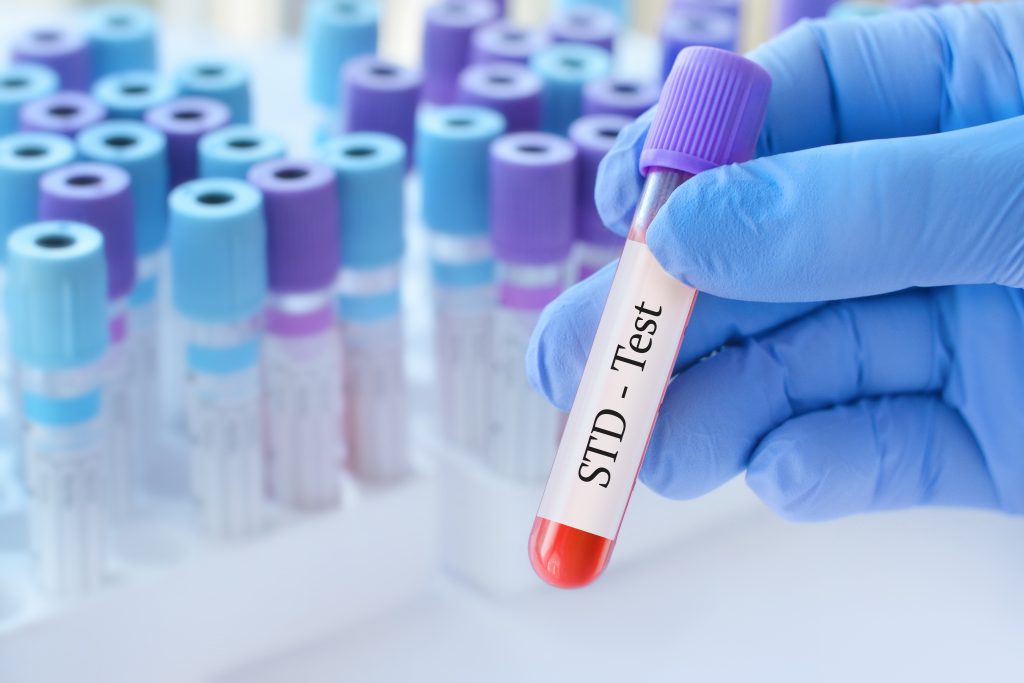
Many sexually transmitted infections cause no symptoms at all. Chlamydia, gonorrhoea, syphilis and HIV can all go unnoticed for weeks or months while still being passed on. Regular screening is the only reliable way to know your status.
If you have never been tested, or it has been a while, here is what the process actually involves.
Which infections are checked
A full sexual health check may look for:
- HIV
- Syphilis
- Herpes (HSV-1 and HSV-2)
- Chlamydia
- Gonorrhoea
- Non-specific urethritis (NSU)
- HPV
- Trichomoniasis
A good clinic will not run every test on everyone. Your doctor should tailor the panel to your history, symptoms and type of exposure.
How samples are taken
Different infections live in different places, so the sample matters:
- Blood test (vein or fingertip): HIV, syphilis and herpes antibodies
- Urine sample: gonorrhoea and trichomoniasis, often when symptoms are mild or absent
- Throat or oral swab: chlamydia and gonorrhoea after oral sex
- Genital or rectal swab: chlamydia, gonorrhoea, HPV or herpes, depending on exposure
- Sore or blister swab: active herpes lesions
Most sampling takes a few minutes and causes little or no discomfort.
How to prepare
- Avoid sex for the period your doctor advises before testing.
- Do not apply creams or medication to the genital area before a swab.
- Avoid urinating for at least two hours before a urine test.
- Note when any symptoms started, and be ready to share your sexual history honestly. It changes which tests you need.
How long results take
Rapid HIV or STD tests can give a result in about 20 minutes. Most laboratory results come back within a few days; more complex tests can take a week or longer.
Why timing matters
Every infection has a window period: the time after exposure before a test can detect it. Testing too early can give a falsely reassuring negative. If your exposure was recent, your doctor may ask you to come back for a repeat test.
How often should you get tested?
- Multiple partners: every 3 to 6 months
- Long-term monogamous relationship: yearly, especially if either partner had previous partners
- New relationship: ideally before having sex without a condom
Get tested sooner if you notice unusual discharge, painful urination, itching, sores or swollen lymph nodes.
If a result is positive
Most STIs are treatable, and many are curable with a short course of medication. You will usually be asked to avoid sex until treatment is finished and a follow-up test confirms clearance. Recent partners should be told so they can be tested too.
Finding a clinic you are comfortable with
Privacy is the main reason people delay testing. Look for a clinic that offers confidential consultations, rapid testing and on-site treatment, so you are not passed between providers.
Dr Tan Medical Center at Novena Medical Centre offers confidential STD screening tailored to your risk, with rapid tests, treatment, PEP and PrEP available in the same clinic.
This article is for general information and is not a substitute for a personal medical consultation.


