

Gallbladder removal is one of the most commonly performed operations, and most are done through keyhole surgery. Here’s a step-by-step look at what happens, so you know what to expect.
From Painful Attacks to a Plan
It started with a sharp pain under your ribs after a hearty dinner. At first, you thought it was indigestion. Then it happened again, and again, each attack leaving you curled up for hours. An ultrasound confirmed it: gallstones.
Now your surgeon has recommended removing your gallbladder. You may be wondering what the operation involves, how long you’ll be off work and what life will be like afterwards.
The good news is that gallstone surgery is routine, and with modern keyhole techniques, most people recover quickly.
Why Remove the Gallbladder?
When gallstones cause symptoms such as repeated pain, or complications such as gallbladder inflammation, bile duct stones or pancreatitis, removing the gallbladder is usually the most effective treatment.
Removing just the stones isn’t usually recommended, as new stones tend to form in the gallbladder. Taking out the gallbladder, an operation called cholecystectomy, prevents this.
You can live a normal life without your gallbladder. Bile still flows from the liver to the intestine to help digest food; it just isn’t stored in between meals.
What Is Laparoscopic Cholecystectomy?
Laparoscopic cholecystectomy is keyhole surgery to remove the gallbladder. It’s the standard approach for most patients.
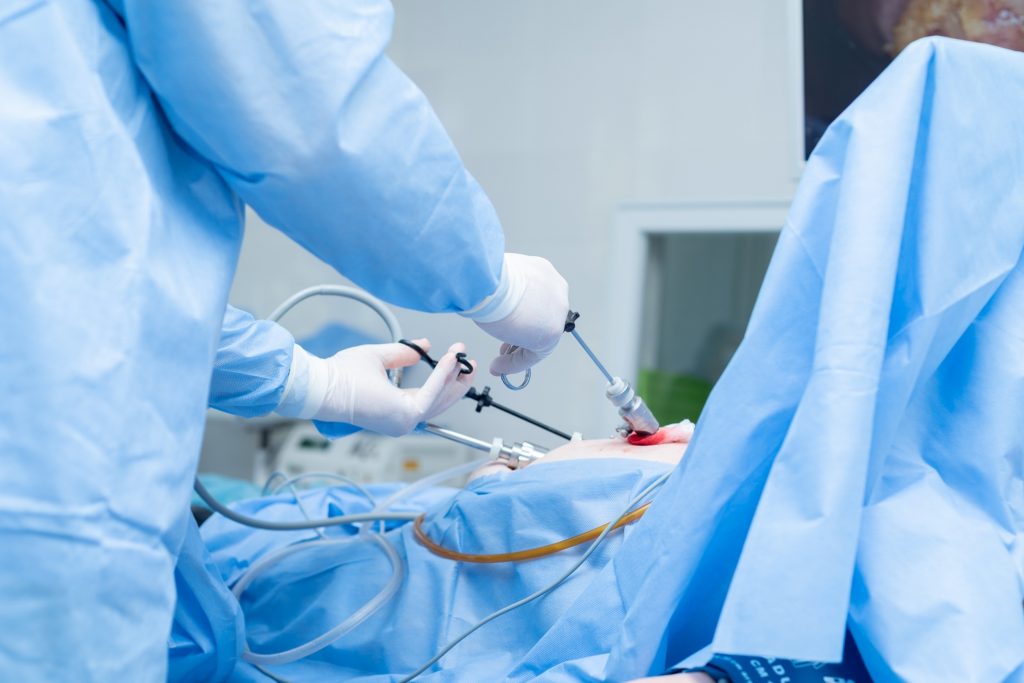
Instead of one large incision, the surgeon makes a few small incisions in the abdomen, usually three or four. A thin camera called a laparoscope is inserted through one incision, and specialised instruments through the others. The surgeon watches a magnified view on a screen while carefully removing the gallbladder.
Benefits of keyhole surgery
Compared with open surgery, laparoscopic gallbladder removal usually means:
- Less pain after surgery
- Smaller scars
- A shorter hospital stay, often going home the same day or the next day
- A faster return to normal activities
- A lower risk of wound infection and hernia
Other approaches
Some surgeons offer techniques using fewer or smaller incisions, or robotic-assisted surgery in suitable cases. In some situations, such as severe inflammation or scarring, the surgeon may need to switch to open surgery for safety.
Preparing for Surgery
Before your operation
- Pre-operative tests – you may have blood tests and, depending on your age and health, an ECG or chest X-ray
- Medications – tell your surgeon about all medications, especially blood thinners, which may need to be paused
- Fasting – you’ll be asked not to eat or drink for several hours before surgery
- Arrange support – someone should take you home and stay with you for the first night if you go home on the same day
- Plan time off – most people need one to two weeks off work for desk jobs, longer for physical work
Bile duct stones
If there’s a chance that stones have moved into the bile duct, your surgeon may arrange additional tests, such as an MRCP scan, before surgery. Bile duct stones may be removed with a procedure called ERCP before or after your operation, or during the surgery itself.
On the Day of Surgery
Anaesthesia
Laparoscopic cholecystectomy is performed under general anaesthesia, so you’ll be asleep throughout.
The operation
- The surgeon makes small incisions, usually including one near the belly button
- Carbon dioxide gas is used to gently inflate the abdomen, creating space to see and work
- The laparoscope and instruments are inserted
- The surgeon carefully identifies the gallbladder’s duct and artery, then seals and divides them
- The gallbladder is separated from the liver and removed through one of the incisions
- The gas is released, and the incisions are closed
The operation usually takes around one hour, but may take longer if there’s significant inflammation.
Safety first
One of the most important parts of the operation is clearly identifying the anatomy before dividing any structures, to avoid injury to the main bile duct. Experienced surgeons take great care during this step, and may use additional imaging during surgery to help.
Recovery
In hospital
- You’ll wake up in a recovery area
- You can usually drink and eat light food within a few hours
- You’ll be encouraged to get up and walk soon after surgery
- Many people go home the same day or the next day
Common after-effects
- Wound soreness – usually managed with simple painkillers
- Shoulder tip pain – caused by the gas used during surgery irritating the diaphragm; it usually settles within a day or two
- Bloating or mild nausea
- Tiredness – for several days
At home
- Walk daily – gradually increasing your activity
- Avoid heavy lifting – for a few weeks, as advised by your surgeon
- Keep wounds clean and dry
- Eat light meals – and gradually return to your normal diet
- Return to driving – once you can move comfortably and brake suddenly without pain
Most people return to normal activities within one to two weeks.
Possible Risks
Gallbladder surgery is generally very safe, but as with any operation, there are risks, including:
- Bleeding
- Infection
- Bile leak
- Injury to the bile duct or nearby organs, which is rare but serious
- Retained stones in the bile duct
- Risks related to anaesthesia
When to Seek Help After Surgery
Contact your surgeon if you have:
- Fever or chills
- Increasing abdominal pain
- Yellowing of the skin or eyes
- Persistent nausea or vomiting
- Redness, swelling or discharge from the wounds
Questions to Ask Your Surgeon
- Will my surgery be done laparoscopically?
- How long will I stay in hospital?
- Do I need tests for bile duct stones?
- When can I return to work and exercise?
- What should I eat after surgery?
A Small Operation With Big Relief
For people troubled by gallstone attacks, keyhole gallbladder removal can bring lasting relief. With small incisions and a quick recovery, most people are back to their usual routine within a couple of weeks.
Consult a gallbladder surgeon to discuss whether laparoscopic gallstone surgery is right for you.
This article outlines what typically happens during gallstone surgery. Your own experience may differ, so please follow your surgeon’s specific instructions.


