

Medication and procedures aren’t the only ways to manage an enlarged prostate. Everyday habits can make a real difference to your symptoms. Here are practical tips that many men find helpful.
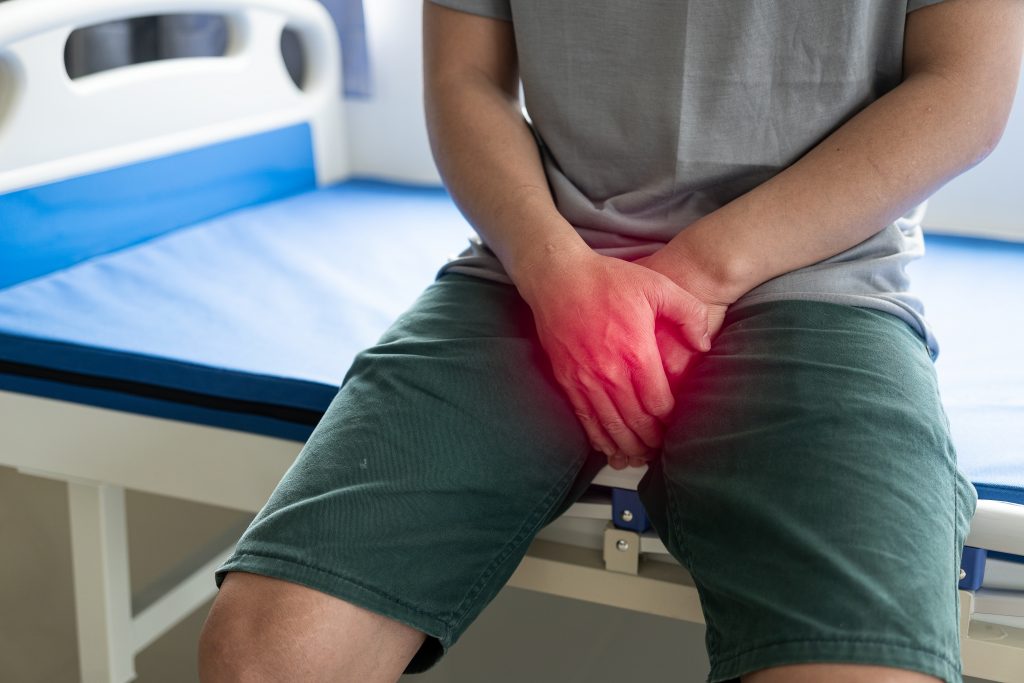
Planning Your Day Around the Toilet
You check where the nearest toilet is before you leave the house. You skip that second cup of kopi before a long meeting. On road trips, you know every petrol station along the route. And before a movie, you make sure to go, even if you don’t feel the need.
For many men with an enlarged prostate, life slowly starts to revolve around their bladder. While medical treatment can be very effective, some simple changes to daily habits can also ease symptoms, and for men with mild symptoms, they may be all that’s needed.
A Quick Recap: What Is an Enlarged Prostate?
An enlarged prostate, or benign prostatic hyperplasia (BPH), is a non-cancerous growth of the prostate gland, which surrounds the urethra just below the bladder. As it grows, it can press on the urethra and affect how urine flows. This can cause symptoms such as:
- A weak or interrupted urine stream
- Difficulty starting to urinate
- Frequent urination, especially at night
- Urgency
- A feeling that the bladder isn’t empty
- Dribbling after urinating
Smart Drinking Habits
Don’t cut back too much
It might seem logical to drink less to reduce trips to the toilet. But too little fluid can make urine more concentrated, which can irritate the bladder and increase the risk of urinary infections and kidney stones. Aim to stay well hydrated, especially in Singapore’s hot climate.
Time your fluids wisely
- Drink more earlier in the day
- Reduce fluids in the two hours before bedtime
- Spread your drinks out rather than drinking large amounts at once
Watch the bladder irritants
Some drinks can irritate the bladder or increase urine production:
- Caffeine – coffee, tea, energy drinks and some soft drinks
- Alcohol – including beer and spirits
- Fizzy drinks
- Artificial sweeteners
You don’t necessarily need to give them up completely, but cutting back, especially in the afternoon and evening, may help.
Better Bladder Habits
Double voiding
After you finish urinating, wait a few moments, relax and try again. This can help empty the bladder more completely.
Take your time
Don’t rush when urinating. Relax and allow time for the bladder to empty. Some men find sitting down to urinate helps.
Urethral milking
To reduce dribbling after urinating, gently press along the underside of the penis from the base towards the tip to help clear any remaining urine.
Bladder training
If you have frequent urges, your doctor may suggest gradually increasing the time between toilet visits. Over time, this can help your bladder hold more urine.
Don’t hold it too long
While bladder training can help, regularly holding urine for very long periods isn’t recommended. Find a balance that works for you.
Medications to Be Aware Of
Some medications can make enlarged prostate symptoms worse, and occasionally cause urinary retention, where you can’t pass urine at all. These include:
- Decongestants – found in some cold and flu remedies
- Antihistamines – especially older, sedating types
- Certain antidepressants
- Diuretics – which increase urine production
- Some medications for bladder or bowel spasms
Always check with your doctor or pharmacist before taking over-the-counter cold and flu medications, and let your doctor know you have an enlarged prostate when they prescribe new medication.
Stay Active
Regular physical activity may help reduce urinary symptoms and supports overall health. Aim for activities you enjoy, such as brisk walking, swimming, cycling or tai chi.
Being overweight is linked to worse urinary symptoms, so maintaining a healthy weight may help.
Eat Well
There’s no single diet that cures an enlarged prostate, but a healthy, balanced diet supports overall wellbeing:
- Plenty of vegetables and fruits
- Whole grains
- Lean protein
- Fewer processed and fatty foods
Avoid constipation
A full bowel can press on the bladder and make urinary symptoms worse. Eating enough fibre and drinking enough water can help keep your bowels regular.
Manage Other Health Conditions
Conditions such as diabetes, heart disease and sleep apnoea can affect urinary symptoms, especially night-time urination. Keeping them well controlled can help.
Plan Ahead
A bit of planning can reduce anxiety when you’re out and about:
- Know where toilets are before you go out
- Use the toilet before long journeys, meetings or events
- Choose aisle seats in cinemas, theatres and planes
- Carry a small bottle of water rather than drinking large amounts at once
About Supplements
Many herbal supplements, such as saw palmetto, are marketed for prostate health. Research on their effectiveness has been mixed. If you’re considering supplements, speak to your doctor first, as they can interact with other medications.
When Lifestyle Changes Aren’t Enough
Self-help measures work best for mild symptoms. See a urologist if:
- Your symptoms are bothersome or getting worse
- You’re getting up several times at night
- You notice blood in your urine
- You have pain or burning when urinating
- You have urinary infections
- You can’t pass urine at all, which needs urgent medical attention
Medications, minimally invasive procedures and surgery are all effective options for men whose symptoms aren’t controlled by lifestyle changes alone.
Take Back Control
An enlarged prostate doesn’t have to rule your day. With a few simple changes and the right medical support when needed, you can spend less time worrying about where the nearest toilet is, and more time enjoying life.
Consult a urologist if enlarged prostate symptoms persist despite lifestyle changes.
These tips are general suggestions for managing urinary symptoms. They do not replace advice from a doctor who knows your medical history.


